

Gambling should always be a form of entertainment, not a financial plan. At trinocasino, we believe that staying in control comes from clear, practical habits. This guide offers concrete tools and mindset shifts that enable you to set boundaries, identify early warning signs, and get support when needed. We outline methods you can apply immediately to maintain your play moderate and enjoyable.
Understand Your Financial Boundaries
Before you open any game, define the maximum amount you are prepared to lose in a session. Treat that sum as the cost of your entertainment, similar to a concert ticket. We suggest writing this number down or entering it into a budgeting app. When the limit is met, stop playing without exception. Keeping apart gambling funds from essential living expenses creates a safety net that blocks impulsive decisions driven by the urge to recoup losses.
We also advise reviewing your overall monthly entertainment budget. Allocate a fixed percentage to gambling and never surpass it, even during winning streaks. A clear financial boundary takes away ambiguity and reduces the emotional pull of chasing. This practice transforms gambling from a potential risk into a predictable, controlled leisure activity.
Take a Cooling-Off Break
A cooling-off period is a briefer, self-imposed break that generally lasts from 24 hours to six weeks. Unlike full self-exclusion, it provides a temporary pause without a long-term commitment. We recommend using a cooling-off break when you feel your play is becoming reactive rather than recreational—for example, after a significant loss or during a stressful life event.
During the break, your account continues active but you cannot deposit or place bets. Use this time to reconnect with hobbies, exercise, or social activities that you may have neglected. The goal is to recalibrate your relationship with gambling and return only when you are calm and in control. Many users report that even a one-week break restores perspective.
Get Professional Support Resources
At times personal tools are not enough, and that is perfectly normal. Professional support services provide confidential, non-judgmental help. Organizations such as GamCare, Gambling Therapy, and local helplines provide free counselling, self-help guides, and peer support groups. We encourage you to reach out the moment you feel gambling is causing distress, regardless of the amount you spend.
Many support services operate 24/7 via phone, live chat, or email. They can help you build a custom recovery plan, address underlying emotional triggers, and connect you with others who share similar experiences. Seeking help is a sign of strength, not weakness. It reflects a commitment to your well-being and to the people who care about you.
Remaining in control of your gambling is an ongoing practice, not a single decision. By combining clear financial limits, time management, reality checks, and the willingness to take breaks or seek support, you build a framework that keeps entertainment safe. We urge you to revisit these tools regularly and adjust them as your life changes. Responsible play is always within reach.
Utilize Reality Check Reminders
Reality checks are automatic notifications that appear on your screen at defined intervals. They display how long you have been playing and your current balance change. We view these reminders as a impartial, factual pause button. They do not judge your play; they simply offer you accurate data so you can choose whether to continue or step away.
Configure reality checks to display every 30, 45, or 60 minutes based on your typical session length. When the pop-up emerges, take a full minute to review the information and ask yourself if you are still within your pre-set limits. If you notice that you routinely disregard the reminders, regard that a signal to reduce your session duration or enable a cooling-off period.
Comprehend Self-Exclusion
Self-exclusion is a structured tool that restricts your ability to your account for a specified period, extending from six months to several years. During this time, you may not log in, deposit, or get promotional material. We consider self-exclusion a powerful circuit breaker for anyone who feels their gambling has shifted beyond entertainment. It creates a required pause that permits other areas of life to reclaim priority.
Activating self-exclusion requires a rational decision. We advise using it when you notice repeated failed attempts to adhere to limits or when gambling starts affecting your relationships, work, or mental health. Once the exclusion is in place, the platform instantly enforces it, eliminating the daily struggle of willpower. This can be a relief for many players.
Frequently Asked Questions
What is the process for setting a deposit limit?
You are able to set daily, weekly, or monthly deposit limits in your account settings under responsible gambling. Select an amount that matches your entertainment budget. Once established, deposits above the cap are blocked. Lowering a limit takes effect instantly; boosting it requires a cooling-off delay. We recommend examining limits monthly.
What distinguishes a cooling-off period from self-exclusion?
A cooling-off interval is a short break from 24 hours to six weeks, stopping deposits and play while your account stays open. Voluntary exclusion is a longer commitment, usually six months or more, that completely restricts access. A cooling-off period suits temporary resets; self-exclusion is for deeper behavioural change when gambling turns problematic.
Can a self-exclusion be undone once started?
No. Self-exclusion is binding and cannot be reversed until the chosen period ends. This safeguards you from impulsive decisions. After the period concludes, you can request reactivation following careful self-evaluation. Should you return, impose stricter limits and look into ongoing support to maintain control.
Are reality check alerts required?
Reality checks are optional but recommended. Activate them in configuration and choose a frequency, such as at 30 or 60 minute intervals. A alert indicates your gaming time and total balance difference. They supply accurate information to assist your choice whether to carry on or quit. Ignoring them often may indicate a necessity to reduce playing periods.
Where can I find specialist support if I think I have a gaming addiction?
We link to official agencies like GamCare and Gambling Therapy on our responsible play page. These organizations provide complimentary, private advice via telephone, messaging, or electronic mail, several round the clock. Our support team can also guide you toward suitable options without bias. Seeking help is a constructive, sensible move.
How can I track my gaming behavior over time?
Your account gives a full transaction history. Extract it monthly and review together with a personal log of your feelings. Search for patterns like rising deposit regularity or trying to recover losses. Consistent self-reviews convert data into understanding, assisting you in changing boundaries before little routines grow into larger issues.
Is Trino Casino sharing my responsible gambling settings with outside entities?
No. All safe betting settings, including limits and self-ban, are kept secure. They are used only to enforce your chosen settings. We keep this information with third parties unless legally mandated. Your confidentiality and autonomy are key to our method.
Control Your Session Time
Time can slip away unobserved during an immersive game. Set a defined session duration before you start, using a timer or the platform’s own time-management options. We suggest treating gambling sessions like any other organized activity: determine when you will begin and when you will end. When the alarm sounds, log out instantly, irrespective of whether you are ahead or behind.
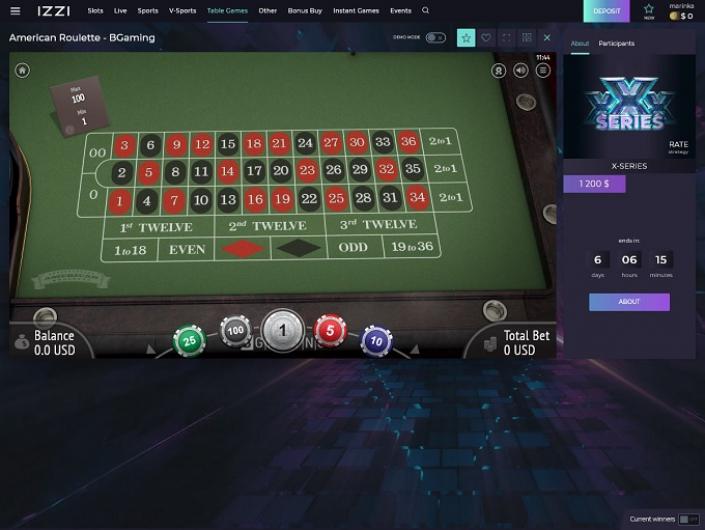
Long, continuous sessions obscure the line between leisure and addiction. We advise taking short breaks every 30 to 45 minutes. Stand up, loosen up, or grab a glass of water. These intervals help you refocus your concentration and assess whether you are still playing for pleasure or out of habit. Regular breaks also reduce fatigue-driven decision mistakes.
Apply Deposit Limits Efficiently
Trino Casino supplies deposit limit tools that allow you restrict the amount you can transfer into your account over a day, week, or month. Establishing these limits in advance locks in your decision before emotions take over. Once a deposit cap is active, any attempt to exceed it is automatically blocked. We encourage you to set limits that match your pre-determined entertainment budget, not your momentary optimism.
You can adjust limits downward instantly, but any request to raise them entails a cooling-off delay. This built-in friction gives you time to reconsider. Employ this feature as a commitment device. When you feel the impulse to increase your cap, pause and ask whether that decision matches your original boundaries or stems from a desire to recover a loss.
Identify the Early Indicators
Compulsive gambling hardly ever develops suddenly. It often starts with subtle changes in conduct that are easy to ignore. We encourage you to watch for patterns such as increasing bet amounts to recover deficits, being dishonest about time or money spent, or experiencing restless when not gambling. Recognizing these warnings sooner opens the door to preventive measures before patterns harden.
- Pursuing losses by depositing more than intended
- Covering up gambling behavior from loved ones or friends
- Ignoring work, studies, or private obligations
- Taking out cash or disposing of belongings to finance betting
- Feeling frustrated or restless when unable to gamble
- Turning to gambling as a method to evade stress or depression
If you identify several of these indicators in your own conduct, view it as a signal to stop and reflect. The existence of various factors does not mean you have become powerless, but it does suggest that your current method calls for modification. Early response is always simpler and more successful than waiting for a emergency.
