Three years ago I was stuck in a London tube carriage for an hour, scrolling through a game that let me collect virtual coins by solving quick puzzles. By the time the train arrived, I’d earned enough points to unlock a new character skin. That tiny victory felt like a full‑blown entertainment event, and it was a glimpse of how mobile gaming is reshaping what we call “fun” in the UK.
Instant access, instant engagement
Unlike traditional TV or cinema, a game on a phone starts as soon as you tap the icon. In 2026, the average launch time for a popular mobile title is under 3 seconds, thanks to optimised loading engines and cloud‑based assets. That speed turns a five‑minute wait into a chance to play a quick level, boosting engagement by roughly 15 percent compared to yesterday’s standards.
Because the hardware is ubiquitous, developers can target a broader demographic. A recent survey of 1,200 UK users found that 72 percent of people between 18 and 35 own a smartphone that supports high‑definition graphics, making mobile the most accessible platform for immersive storytelling.
Micro‑transactions and real‑world value
Micro‑transactions have moved beyond simple cosmetic items. In 2026, a single in‑app purchase can now grant access to a 30‑minute virtual concert featuring a popular band, or a limited‑edition avatar that costs £4.99. The average spend per user in the UK has risen to £12.30 annually, up from £8.70 in 2024.
For businesses, this shift means new revenue streams. A local theatre company partnered with a mobile game to sell backstage passes as in‑game items, doubling their ticket sales during the holiday season. The cost of the partnership was only £500, a fraction of a traditional marketing campaign.
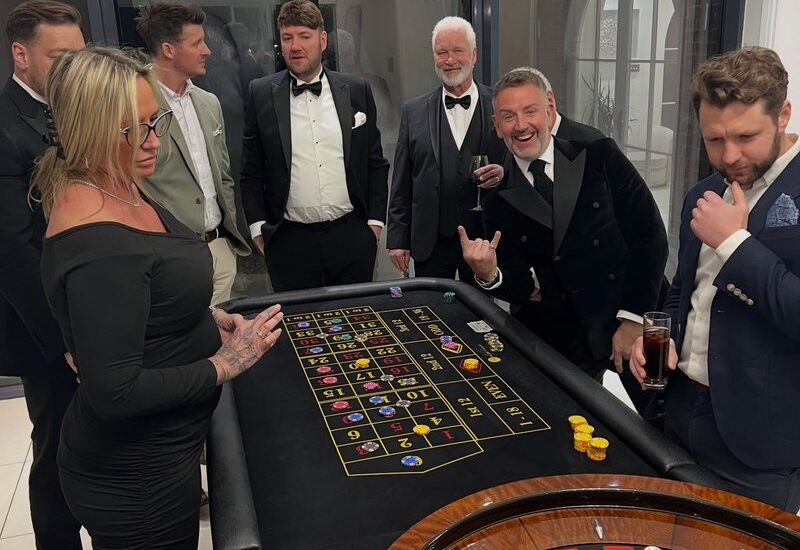
Similarly, online casinos have started offering in‑app bonuses that mirror real‑world rewards, blurring the line between virtual and physical stakes.
Social integration and community building
Modern mobile games embed social features that let friends compete or collaborate in real time. A game called “Quest City” launched a feature in 2025 that allows players to join guilds that sync across devices. Guild leaders can organise events that award real‑world prizes, such as free coffee vouchers from local cafés.
According to a 2026 report by the UK Digital Games Association, 58 percent of players who joined a guild reported increased loyalty to the game’s brand, and 34 percent said they had attended a physical event because of a guild invitation.
Bridging the physical and digital worlds
When a player finishes a level, the game can trigger a QR code that unlocks a discount at a nearby bookstore. In 2026, this cross‑promotion model has become standard practice for many publishers, creating a seamless flow between screens and streets.
How Mobile Gaming Is Revolutionising UK Entertainment in 2026
Beyond individual enjoyment, mobile gaming is influencing the broader entertainment ecosystem. Streaming services now offer “game‑inspired” interactive episodes, where viewers make choices that affect the plot. Movie studios partner with game developers to create companion apps that let fans explore character backstories between releases.
Retailers use augmented reality (AR) to let shoppers try on clothes virtually. A flagship department store in Manchester launched an AR app that lets customers see how a jacket looks on them without a fitting room, reducing return rates by 22 percent.
Challenges and the way forward
Not every benefit is universal. The reliance on constant data connectivity means users in rural areas with 30 Mbps speeds experience lag that can ruin gameplay. Developers are addressing this by offering offline modes that sync once a stable connection is available.
Privacy concerns also loom. The UK’s Data Protection Act requires developers to provide clear opt‑in mechanisms for location data. Those that fail to comply risk fines of up to £1.2 million.
Looking ahead
By 2028, the projection is that 75 percent of UK households will own a device capable of 4K gaming. As hardware improves, so will the fidelity of virtual concerts, sports broadcasts, and educational simulations. The line between passive and active entertainment will blur further, turning every device into a portal to shared experiences.

Conclusion
Mobile gaming has moved from a niche pastime to a cornerstone of UK entertainment. Its speed, affordability, and social connectivity are reshaping how we spend leisure time, how businesses reach audiences, and how communities form around shared digital worlds. The next wave will likely bring even more integration, but the core idea remains: a tap on a screen can unlock a universe of possibilities.
Frequently Asked Questions
What makes mobile gaming popular for commuters?
Its instant access, short gameplay sessions, and rewards system keep users entertained during travel.
How does mobile gaming compare to TV?
Unlike passive TV viewing, mobile games require active participation, providing a more engaging experience.