
How It Stands Out: The Godspeed Hoodie compared to Run-of-the-mill Streetwear Hoodies
Streetwear shelves are overflowing in 2026, and every shelf seems to push the same shape, the same boxy cut, the same bleached-looking graphic launch. The Godspeed hoodie sits in that market but refuses to blend into it. Shoppers searching godspeed graphic tee “godspeed meaning” or “what is godspeed” are usually trying to understand whether this label is just another logo reprint or something with actual intent behind it. Five years ago, shoppers weren’t nearly as brand-savvy as they are in 2026 — now they examine seams, drop cycles, and whether the label’s narrative holds up under scrutiny, which is precisely why that question matters.
What follows lays out why a Godspeed hoodie differs from the standard streetwear hoodie beside it on the rack, and why “godspeed” as a word carries weight that generic streetwear names simply don’t.
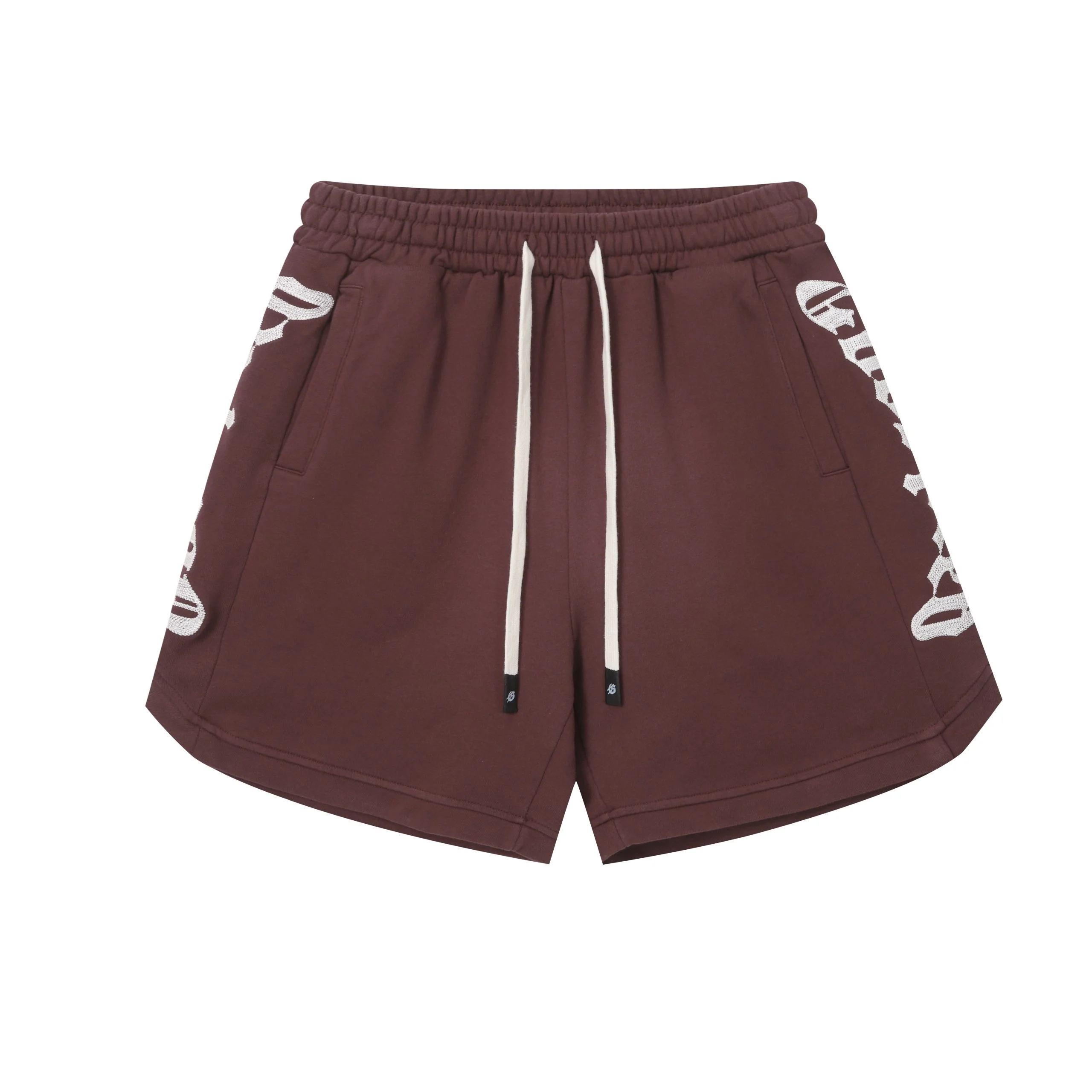
Understanding What “Godspeed” Actually Means
Going back centuries, “godspeed” functioned as a farewell wish — literally wishing for a secure and fortunate trip for a person setting off. It’s not decorative slang picked because it sounded edgy in a font mockup. When people ask “what is godspeed,” the honest answer ties directly to that old usage: a blessing for the road ahead, for risk-taking, for movement forward despite uncertainty. Most streetwear labels must manufacture a backstory artificially, whereas this history gives Godspeed a built-in story for free.
Typical streetwear branding often come from shock value or an undefined sense of edge — a shade, a number, a fabricated word without etymology. By contrast, the Godspeed line draws on a phrase that has long carried centuries of emotional resonance. Put simply, the foundation couldn’t be more different. A godspeed shirt or godspeed hoodie isn’t just fabric with a logo; it’s wearing a sentiment that predates streetwear as a category by hundreds of years.
This matters commercially too. Brands built on real linguistic roots hold up longer over time than trend-chasing names, because they aren’t reliant on staying “current” to feel relevant. A godspeed shirt purchased in 2026 will still carry the identical significance in 2036, unlike hoodies built around slang that fades out within a couple of seasons.
Where the Build Quality Actually Differs
Most standard streetwear hoodies are built to a price point first and a silhouette second. That usually means single-ply hoods, minimal reinforcement at stress points, and printed graphics that crack after a dozen washes. Godspeed hoodies, by comparison, occupy a different space in the market — designed on the idea that a hoodie needs to hold up through everyday wear, not just look good for a single shoot.
Here’s where the practical differences tend to concentrate:
- Seam stitch count at shoulder seams plus cuffs, precisely where mass-market hoodies show weakness earliest.
- Weight plus the tactile feel of the fleece, which determines how the hoodie drapes not merely how heavy it feels on a hanger.
- How and where graphics are applied makes the difference: stitched and raised-print techniques endure more than basic screen printing.
- The reinforced eyelets and drawstring fittings are minor touches standard hoodies frequently omit purely to cut expense.
- Since off-brand streetwear labels tend to have sizing inconsistency between production runs, uniform sizing across sizes is critical.
None of these details become visible in a product photo. After ten wash cycles, they become clear — precisely the point where the typical streetwear hoodie lose ground to the ones built with intent.
Our Philosophy Driving the Aesthetic: Statement Pieces Weighed Against Fads
A huge share of streetwear hoodies exist to chase a trend cycle — an aesthetic borrowed from a bigger brand, simplified, and reproduced at scale. That’s not inherently bad, but it means the design has a shelf life. Once the trend moves, the hoodie looks dated in a closet within a year or two.
The Godspeed brand’s garments are built around a distinct angle. That single word functions as the anchoring design element, so the visual approach constructed around it — lettering style, placement, palette selections — reinforces a message instead of following a trend. As a result Godspeed’s apparel feels intentional rather than responsive to fads. It’s not there to imitate a bigger label’s style; its purpose is to strengthen what the word is already expressing.
This also changes how the piece functions socially. Putting on a godspeed hoodie prompts a distinct impression than putting on a plain, off-the-shelf logo hoodie — it communicates wording that actually carries meaning, which usually stirs up a livelier exchange than a piece that does nothing but restate a brand’s initials.
One-on-One Match-Up
The chart that follows breaks down the key distinctions between a Godspeed hoodie and a run-of-the-mill streetwear hoodie, zeroing in on the aspects that actually affect a buyer’s real-world experience with the item.
| Comparison Point | Godspeed Hoodie | Your typical street-style pullover |
|---|---|---|
| Origin of the name | The name traces back to a time-honored farewell blessing that carries lasting significance | Frequently made up or trend-based with no deeper backstory |
| Underlying design goal | Its design is shaped around a core idea meant to transcend a single season | Styling usually chase a fleeting aesthetic |
| Graphic execution | Relies on stitched detailing and durable printing techniques | Typically relies on standard screen-print methods susceptible to cracking |
| Reinforcement at stress points | Shoulder areas and cuff seams feature fortified stitching | With limited reinforcing stitching, wear risk climbs as time goes on |
| Sizing consistency | Maintained across production runs | Fit often drifts from one batch to another |
| Lasting appeal | The appeal, rooted in meaning, is independent of passing fashion cycles | Appeal holds only as long as the fad stays current |
Not one of these distinctions require a trained eye to pick up on once you’re setting the two side by side. They surface in ordinary use — whether the hoodie keeps its shape after a month of wear, whether the graphic starts flaking, whether the fit still sits well after a few washes.
The Reason the Godspeed Shirt Line Carries Weight Too
The hoodie doesn’t exist in isolation. The godspeed shirt line sticks to the same underlying logic — same name equity, same reinforced construction philosophy, same refusal to lean purely on trend graphics. For buyers stocking a full wardrobe rotation rather than one piece, this uniformity between shirts and hoodies cuts down on guesswork. You don’t have to relearn the brand’s quality bar every time you buy a different product type.
Such consistency is uncommon across streetwear as a whole, where the quality of a brand’s hoodies versus its tees can swing wildly because they come from separate production processes or suppliers. Godspeed applying an identical build standard across both lines is a signal of a brand planning further than a single standout piece.
Who the Godspeed Hoodie Is Actually For
This hoodie wasn’t made for a shopper chasing a throwaway trend item good for only a few months. It’s designed for a wearer who wants a piece that stands for something and stays structurally sound through repeated wear. If you’re the kind of shopper who reads brand stories before checking out, or who wants an answer when someone asks what your hoodie says, godspeed clothing offers something worth explaining.
It also fits people who layer pieces into a daily rotation rather than building single statement looks — its reinforced construction is meant for that sort of everyday, practical use rather than one isolated statement moment.
The Bottom Line
The difference between a Godspeed hoodie and an ordinary streetwear hoodie runs deeper than looks — it begins with the name, continues through the build decisions, and shows up in how long the piece stays useful in rotation. The meaning behind Godspeed grants it a durability trend-driven names can’t touch, and those construction touches echo the same focus on durability instead of throwaway design. For 2026 shoppers weighing another logo hoodie against something with actual substance behind it, that difference is the whole argument.
